
Copper machining components are high-precision parts used primarily for their excellent electrical and thermal conductivity, as well as their corrosion resistance. These components are typically manufactured using CNC turning and milling to achieve tight tolerances as low as ±0.001mm for industries such as aerospace, automotive (EVs), and electronics
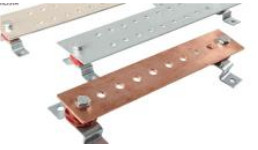
Plated bus bars are metallic conductors (typically copper or aluminium) coated with a thin layer of another metal—most commonly tin, silver, or nickel—to enhance performance and longevity. While bare copper is an excellent conductor, it is highly susceptible to oxidation and corrosion, which increases electrical resistance and can lead to system overheating or failure
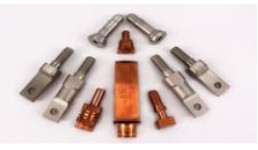
Our Industrial Battery Terminals Stalcop are Designed for Superior Conductivity, Durability, and Secure Power Transmission in Demanding Applications. Manufactured with Precision using High-Quality Materials, These Industrial Battery Terminals Stalcop ensure Excellent Corrosion Resistance, High Thermal Stability, and Long-Lasting Performance. Engineered for Efficiency, They provide a Firm and Reliable Connection, Reducing Power Loss and Enhancing Battery Life. Ideal for Automotive, Renewable Energy, and Industrial Power Systems, Our Industrial Battery Terminals Stalcop Deliver Exceptional Reliability and Easy Installation. Choose Stalcop’s Trusted Solutions for High-Performance Battery Terminals. Contact us Today for Custom Options!
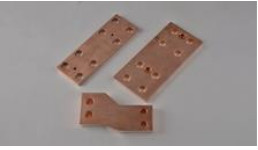
JVD 0082 refers to a high-quality copper machining component used primarily in electrical and industrial power distribution systems
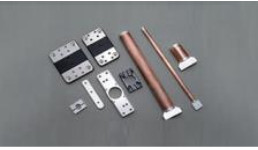
A Vacuum Circuit Breaker (VCB) and a Ring Main Unit (RMU) are both critical medium-voltage switchgear used in power distribution, but they serve different functions. A VCB is a specific device designed to interrupt fault currents, while an RMU is a compact, integrated unit that often contains a VCB along with other switching and protection components.
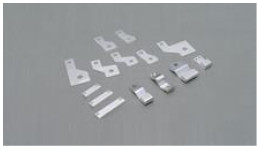
Contact terminals are essential electrical components designed to securely connect wires within circuits, ranging from DIN rail terminal blocks to crimp connectors and PCB connectors. They are critical for ensuring safe, reliable electrical connections in control systems, utilizing screw-clamps, push-in, or spring-cage, and ring/fork, spade techniques.
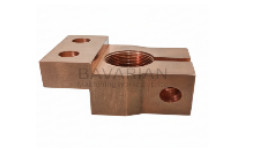
Copper forging components are high-strength, durable, and conductive parts produced through hot or cold compressive shaping of copper alloys, widely used in electrical, plumbing, marine, and industrial applications. Key components include electrical contacts, connectors, switchgear terminals, valve parts, bushings, and fasteners, offering excellent corrosion resistance.
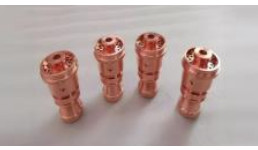
Copper forged and machined components are high-performance parts that combine the structural strength of forging with the precision of CNC machining. Forging refines the metal's grain structure to eliminate internal voids and enhance durability, while subsequent machining ensures tight dimensional tolerances and complex geometries.